• The Lost Glory

    Perched atop a lonely hill in France, this castle once witnessed an age of splendor and magnificence. Today, only ruins remain, silent stones that whisper of the lavish lives of medieval nobility. Nature, indifferent to the distant echoes of power and time, has claimed the walls and ramparts, letting them crumple beneath its quiet dominion. In the midst of this scene, a solitary visitor stands. His presence bridges centuries, a modern observer tracing the contours of a glory long lost, feeling the weight of time as it presses upon both past and present. A few kilometers south of Paris, Château de la Madeleine remains an evocative testament to beauty that has faded, yet refuses to be forgotten.

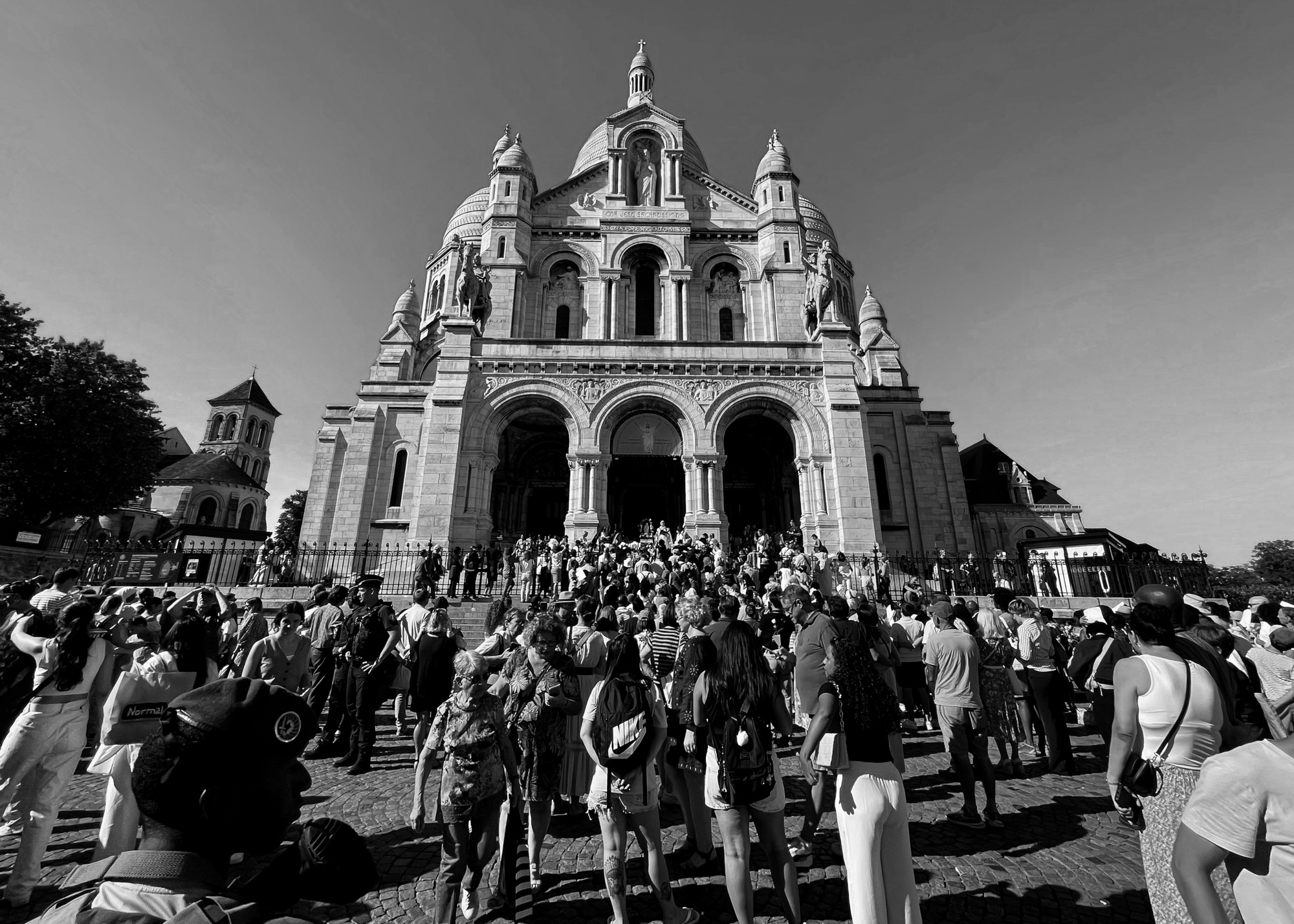
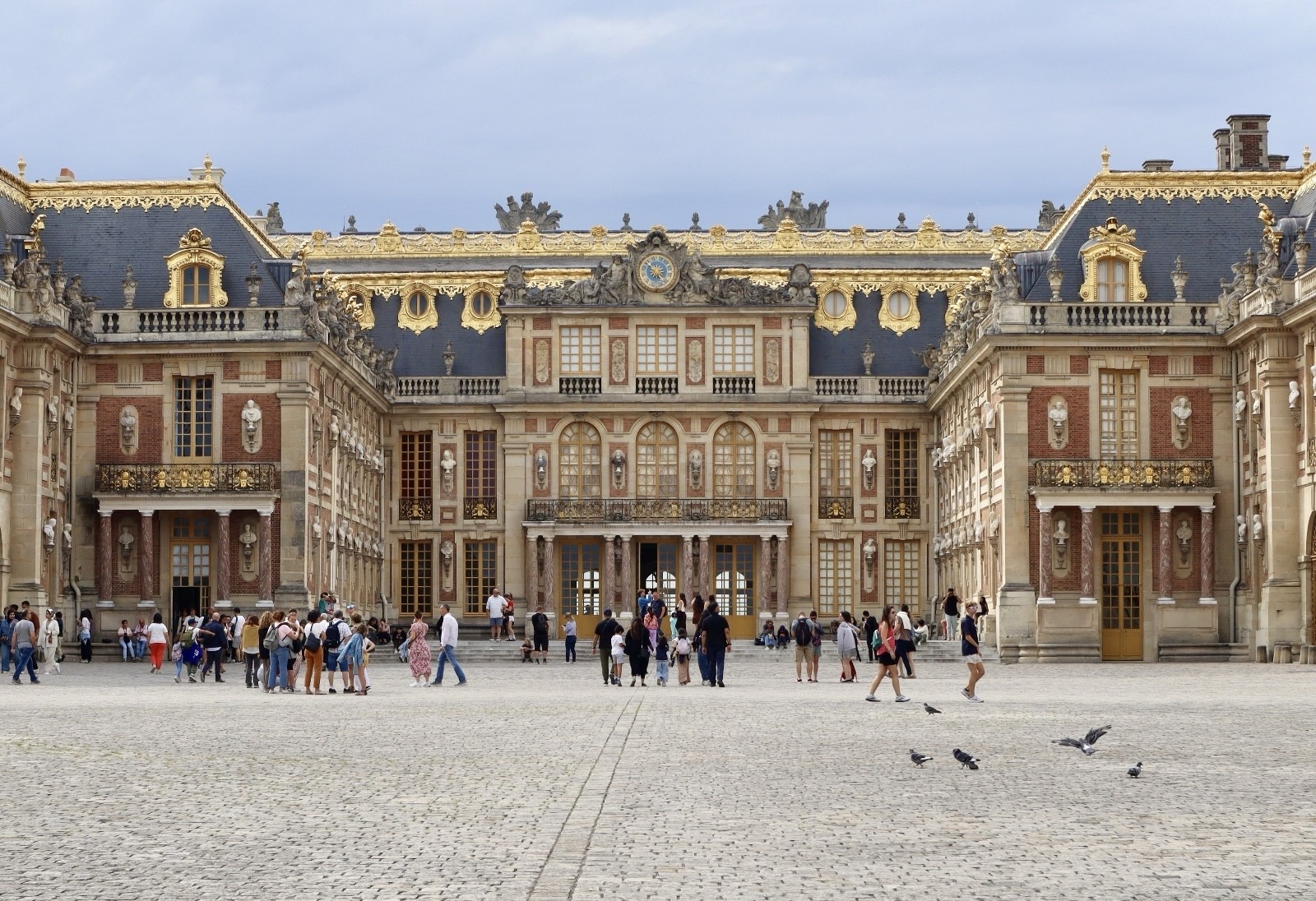
    A few miles away, the Palace of Versailles still gleams, a monument to opulence preserved, yet touched by time’s invisible hand. Beneath its gilded ceilings and mirrored galleries lingers the same melancholy: beauty enduring, yet forever aware of its own impermanence.

    And farther north, beyond the borders of France, Vianden Castel rises over the River Our in Luxembourg. Once the proud seat of the Counts of Vianden, it stood as one of the grandest feudal residences in Europe, its towers and halls alive with music, ceremony, and light. Centuries later, war and neglect reduced it to silence, its splendor forgotten, its stones left to weather the long solitude of time. Although Vianden has risen again, lovingly restored, though the marks of sorrow remain. Vianden stands as both survivor and ghost, its grandeur renewed but never entirly reclaimed. It is a reminder that restoration does not erase the passage of time; it merely allows beauty to speak again, in a new and altered voice.

    Through The Lost Glory series, I seek to bridge these centuries, to stand as that solitary observer amid the echoes of splendor. Each frame captures not only what survives, but what time has taken: the silent dialogue between decay and grandeur, memory and forgetting. These places, whether in ruin or restoration, remind us that all glory, no matter how radiant, is destined to fade, yet never to vanish entirely.

  • Every Journey Tells a Story

    Some stories begin long before the train departs, in the quiet moments of waiting, a sip of coffee, and the promise of somewhere new just beyond the window.

    A lens turned toward the overlooked geographies of motion, trains, ships, roads, and toll gates , transforms transit infrastructure into quiet theaters of human experience. These images linger in the in-between moments: the interior of a train car, the stillness of vehicles paused at a toll, the coded language of road signs that both guide and restrain. Each frame captures not destinations, but the architecture of passage; those emotional and spatial intervals where anticipation, fatigue, and solitude converge. The work reflects a dual identity as urban planner and photographer, revealing how the built environment simultaneously shapes and absorbs our stories. In these images, movement becomes metaphor: a meditation on how humans navigate not only space, but also time, choice, and connection. The result is a quiet journey through the systems of travel that mirror the subtle rhythms of contemporary life.


  • Sunflower, Le Tournesol

    A few kilometers south of the magical beauty of Paris,
    where the sound of traffic fades into the breath of the fields,
    the sunflowers lower their faces to the ground,
    unaware that in the city, the shadows still move and merge.

    Le Tournesol drifts softly through the wind,
    Nana Mouskouri’s voice, tender, timeless,
    a memory that glows between the golden petals.

    Here, beyond the city’s edge,
    time slows, and everything becomes lighter.
    Only a whisper remains,
    the hum of a melody,
    and a heart that still turns toward the sun.


  • Coffee Lovers

    Coffee times and coffee corners are one of the best parts of the daily life.

    Small sanctuaries woven into its rhythm,
    where warmth, aroma, and pause become one.

    A celebration of everyday rituals,

    of coffee, comfort, and a quiet connection.


  • The Birth of a Dahlia

    Not the whole birth, but fragments of becoming, the flicker of color, its brightest bloom, and the gentle fading that follows.

    Yet, at the same time, in another bud, Dahlia’s death is not an ending. Life still pulses through the roots.


  • Unseasonal Blooming


    A Bud in the Darkness. Between Life and Decay.
    Unseasonal blooming points to climate change in my backyard. Instead of snow at this time of the year, plants are blooming.

  • Whispers of the cities

    From above, the city breathes. A tapestry of streets, bridges, and quiet moments unseen from the ground.
    Every rooftop holds a story, every river bend a reflection of dreams and movement.
    The hum of life softens into whispers, echoes of footsteps, laughter, and the pulse of a place that never truly sleeps.

    These images are not just views, but voices, the murmurs of a city revealing its soul to those who listen.


  • Shapes in the city

    Angles, curves, reflections; the city is a living geometry.
    From tunnels carving through the earth to viaducts that lift us above it, every line tells a story of connection. Buildings rise, bridges stretch, and light redraws their edges every hour.
    The city isn’t just built, it’s composed.


  • Hibiscus

    A meditation of beauty.

    In Persian visual and poetic tradition, the hibiscus becomes more than a flower, it is a symbol of transience and divine beauty. Its vibrant hue petals evoke divine love, while its brief bloom reflects the Sufi idea of fanā, the passing of worldly forms in the face of eternal truth. Through this lens, Hibiscus is not merely botanical photography but a meditation on beauty, impermanence, and the sacred presence revealed in nature’s delicate details.